How Much Does a Room Addition Cost in the Bay Area?
By Raven Vuong
A room addition is one of the most effective ways to gain square footage without leaving the neighborhood you love. Whether you need an extra bedroom, a larger kitchen, or a dedicated family room, the right home addition can transform how your family lives — but costs in the Bay Area run significantly higher than national averages. Understanding what drives those costs puts you in a much stronger position before you break ground.
This guide covers everything Bay Area homeowners need to know: cost ranges by addition type, what drives prices up (or down), permit costs, and how to get the most value from your investment.
1. What Drives Room Addition Costs in the Bay Area
Room addition costs in the Bay Area typically range from $350 to $600 per square foot, compared to a national average of $80 to $200 per square foot. That gap is real — and it comes down to a few consistent factors that push Bay Area construction costs well above what you would pay elsewhere in the country.
Labor and Permit Costs
Skilled construction labor in the Bay Area commands some of the highest wages in the nation. Carpenters, electricians, and plumbers in Santa Clara County and Alameda County typically bill $90 to $200 or more per hour. Add in workers compensation, licensing overhead, and union rates in some municipalities, and labor alone can represent 30 to 50 percent of your total project cost.
Permit fees compound this. Cities like San Jose, Palo Alto, and Mountain View charge building permit fees based on a percentage of total project valuation — often 1 to 3 percent of the estimated construction cost. For a $200,000 addition, that is $2,000 to $6,000 in permit fees alone, before inspection costs and any required plan-check fees.
Scope and Complexity
How the new space connects to your existing home is one of the biggest cost variables. A ground-floor addition on a flat lot with a simple rectangular footprint costs significantly less than a cantilevered addition, a second-story addition, or a project that requires significant structural work to the existing framing. Any time your addition ties into existing load-bearing walls, adds plumbing, or changes the roofline, costs go up.
Site conditions matter too. Sloped lots — common throughout the Bay Area hills — require more excavation, grading, and sometimes retaining walls. Properties in hillside zones or near fault lines may require additional geotechnical reports and seismic upgrades.
Materials and Finishes
The finish level you choose will move the needle significantly. A bedroom addition with standard drywall, carpet, and builder-grade fixtures lands at the lower end of the cost range. The same square footage finished with hardwood floors, custom millwork, and high-end windows will push into the upper tier. Most Bay Area homeowners land somewhere in the middle — quality finishes that match the existing home without going to the luxury extreme.
2. Room Addition Cost by Type
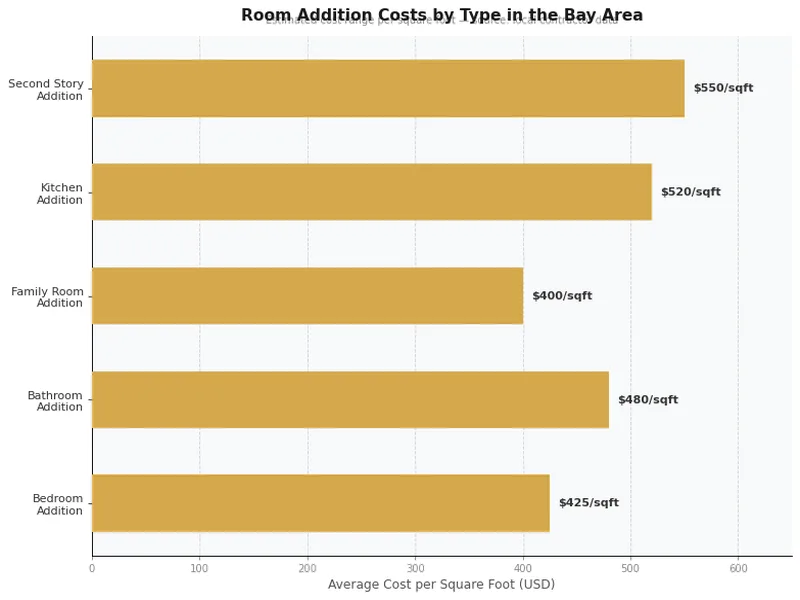
Not all additions cost the same per square foot. The type of room being added is one of the strongest predictors of total cost, because it drives plumbing, electrical, and mechanical complexity.
Bedroom Addition
A bedroom addition is typically the most straightforward and affordable type. With no plumbing and relatively simple electrical requirements, bedroom additions in the Bay Area run $400 to $500 per square foot. A 200 sq ft primary bedroom addition would typically cost $80,000 to $100,000 fully finished. Adding a closet system or an en suite bathroom will push this higher.
Bathroom Addition
Bathrooms are among the most expensive rooms per square foot because of the plumbing rough-in, waterproofing, tile work, and fixtures involved. A bathroom addition in the Bay Area typically runs $450 to $550 per square foot, or $45,000 to $80,000 for a standard full bath depending on finishes. Running new supply and drain lines from the existing stack adds cost, especially if the addition is on the opposite side of the house from current plumbing.
Family Room or Living Space
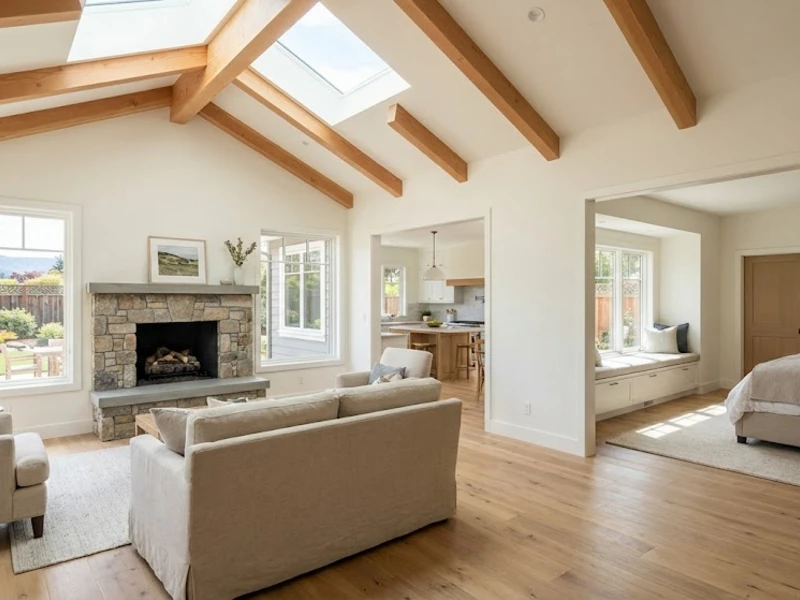
Family room additions are usually open, light-filled spaces with no plumbing and modest electrical requirements. This keeps costs relatively contained at $375 to $475 per square foot. A 300 sq ft family room addition typically runs $110,000 to $140,000. If the space includes a fireplace, custom built-ins, or a vaulted ceiling, add another $15,000 to $30,000.
Kitchen Addition
Kitchen additions are the most expensive per square foot due to the combination of plumbing, gas lines, electrical panels, ventilation, appliances, and cabinetry. Expect to budget $500 to $600 per square foot for a Bay Area kitchen addition. A 200 sq ft kitchen expansion can easily run $100,000 to $120,000 or more depending on appliance selections and cabinet grade. This is often the addition where homeowners see the most significant improvement to both daily usability and resale appeal.
3. How Square Footage Affects Your Budget
Larger additions do not always mean a lower per-square-foot cost. In Bay Area construction, fixed costs — permits, design fees, foundation work, connecting to existing utilities — tend to stay constant regardless of addition size. This means smaller additions often carry a higher effective cost per square foot.
Small Additions (Under 200 sq ft)
Small additions like a bump-out or expanded bathroom often cost $500 to $650 per square foot in the Bay Area, because the fixed costs are spread over fewer square feet. A 100 sq ft addition can easily run $60,000 to $80,000 despite its small footprint.
Mid-Size Additions (200-500 sq ft)
This is the sweet spot for most Bay Area homeowners. At 200 to 500 square feet, fixed costs are more diluted and the per-square-foot rate tends to normalize to $400 to $500. A 350 sq ft bedroom and bathroom addition typically runs $140,000 to $175,000 — a range that represents the most common scope of work for growing families.
Large Additions (500+ sq ft)
Larger additions may benefit from a slight reduction in per-square-foot cost — but in the Bay Area, this effect is modest. A 600 sq ft addition can run $240,000 to $360,000. At this scale, many homeowners also consider whether a custom home build on a different lot might offer better long-term value.
4. Permits and Soft Costs
The hard construction cost is only part of your budget. Soft costs — design, permits, engineering — routinely add 20 to 30 percent on top of the contractor bid in the Bay Area.
Building Permits in the Bay Area
Room additions require a building permit in every Bay Area city. The California Department of Housing and Community Development sets minimum standards, but each city adds its own requirements. In San Jose, permit fees for a residential addition are calculated as a percentage of the project estimated fair market construction cost. Palo Alto and Cupertino often require additional energy compliance reports (Title 24) and may mandate specific window-to-floor area ratios for natural light.
Plan on 2 to 6 months for the permit approval process in most Bay Area jurisdictions. Cities with higher development activity — San Jose, Santa Clara, Sunnyvale — can have longer queues.
Design and Engineering Fees
Architectural drawings are required for all permitted additions. Design fees typically run 8 to 15 percent of the total construction cost for a residential addition. Structural engineering adds another $2,000 to $8,000 depending on complexity. If the project involves a second-story addition or significant structural modifications, you may also need a geotechnical report ($2,000 to $5,000).
5. How to Save Money on a Room Addition
There is no shortcut to a quality addition — but there are legitimate ways to keep costs under control without compromising the result.
Plan Thoroughly Before Breaking Ground
Change orders — modifications made after construction begins — are one of the leading causes of budget overruns on Bay Area additions. Every change during construction costs 2 to 5 times more than making the same decision during design. The more decisions you finalize before your contractor breaks ground, the fewer expensive surprises you will face.
Build a contingency of 15 to 20 percent into your budget from the start. Bay Area construction almost always surfaces at least one unexpected condition — a buried utility, a non-standard framing detail, or a soil condition that changes the foundation approach.
Choose the Right Contractor
The lowest bid is rarely the best value in the Bay Area market. An experienced home remodeling contractor who understands local permit offices, subcontractor relationships, and common Bay Area construction conditions will typically save more in avoided delays and change orders than you would save by choosing a less experienced bidder with a lower initial price. Ask for a list of local references, verify CSLB licensure, and confirm that the contractor carries current general liability and workers compensation coverage before signing anything.
6. Is a Room Addition Worth It?
For most Bay Area homeowners, the answer is yes — with the right project scope and realistic expectations.
Return on Investment
Bedroom additions typically return 50 to 65 percent of their cost at resale in the Bay Area, while bathroom additions often return 60 to 70 percent. Kitchen additions in functional, well-designed homes can return even more in high-demand neighborhoods. But ROI is not the only metric that matters — gaining livable space in a neighborhood where comparable homes cost significantly more than the cost of the addition is effectively an investment in your own quality of life.
Room Addition vs. Moving
With Bay Area home prices where they are, moving to a larger home in the same area typically costs $300,000 to $600,000 more than staying in place — when you factor in the price premium, transaction costs, and the likelihood of a higher mortgage rate on the new purchase. A $150,000 room addition that solves your space problem for a fraction of that cost is often the financially sound choice, especially if you are in a school district or neighborhood you do not want to leave.
Frequently Asked Questions
Common questions about room addition costs in the Bay Area.
Related Posts
ADU Construction Costs in California
An ADU in California typically costs between $150,000 and $450,000, with most projects averaging aro...
Read More →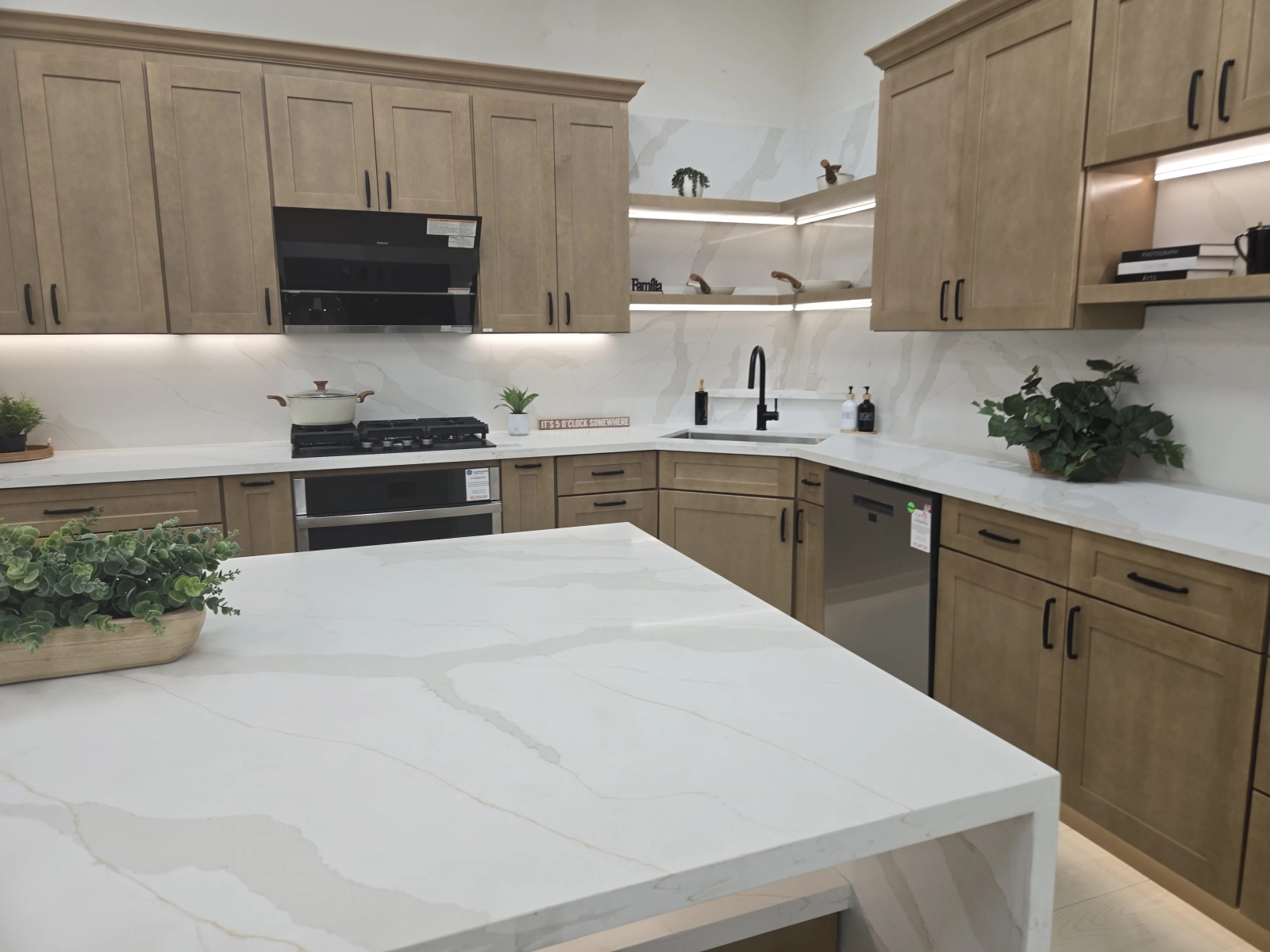
Hot Kitchen Countertop Trends
Quartz continues to dominate with its low-maintenance durability and endless design options, while m...
Read More →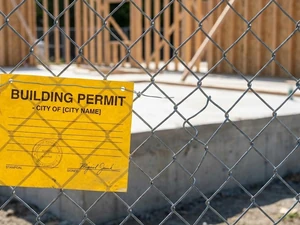
San Jose Building Permits: Requirements, Fees & Timeline
A complete guide to San Jose building permits — what requires a permit, how much permits cost, how l...
Read More →